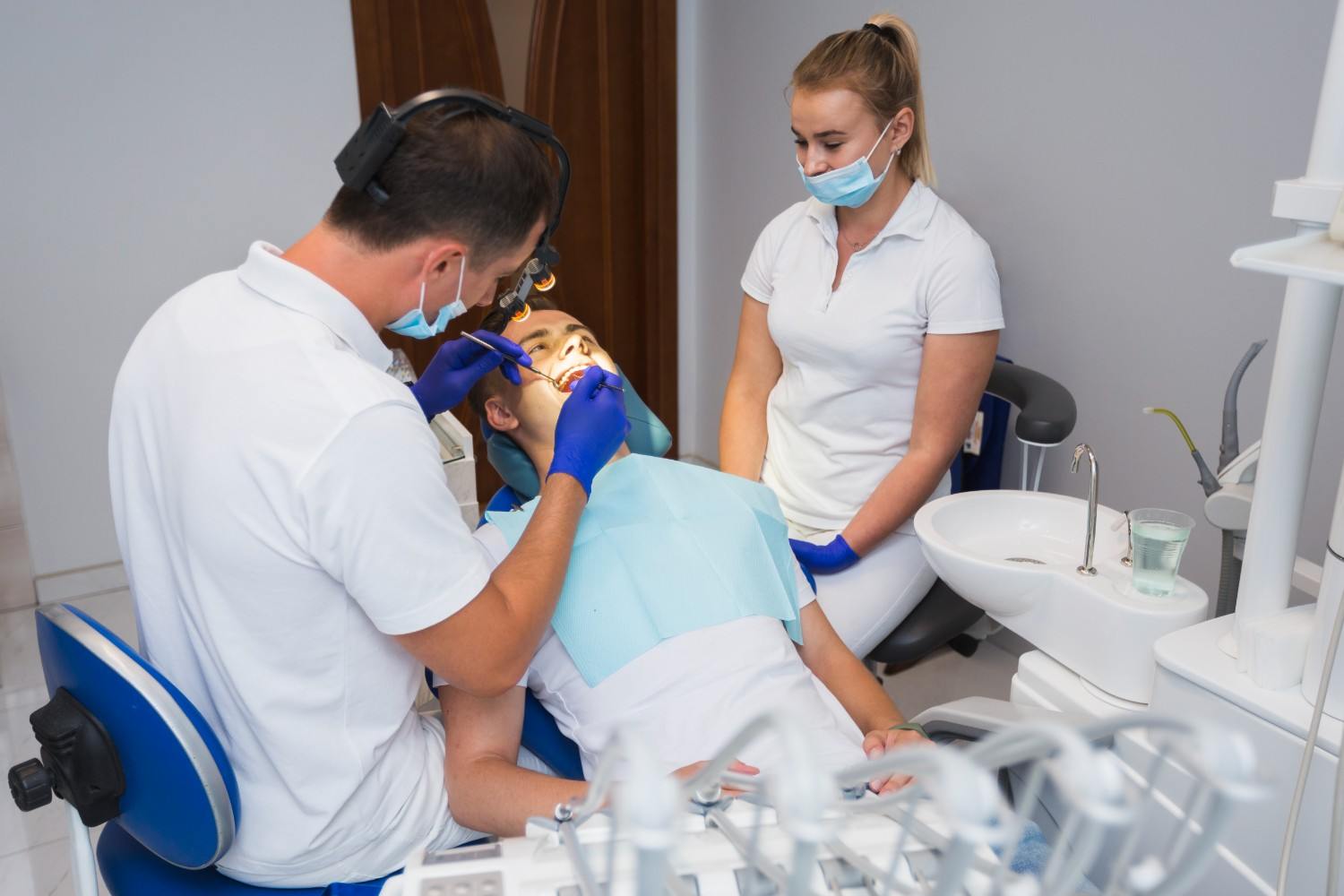
A dental cleaning visit helps keep your teeth and gums clean and healthy. During the visit, the dentist or dental hygienist removes plaque and tartar from your teeth. They may also polish your teeth and show you how to brush, floss, and care for your mouth at home. Knowing what happens during a dental cleaning can help you feel ready for your visit. The steps may change based on your dental health, the amount of tartar you have, and any problems such as bleeding gums or sensitive teeth. You can also talk about any changes you have noticed in your mouth and learn how to prevent dental problems. Regular dental cleanings and daily at-home care can help reduce your risk of gum disease and cavities.
What Are the Main Steps During a Hygiene Appointment?
The steps for a hygienist appointment may vary, but a typical visit includes assessing your oral health, cleaning your teeth, and discussing home care.
1. Checking Your Teeth and Gums
The dental hygienist may ask about your oral health, medications, sensitivity, and any changes you have noticed. Your gums and teeth are checked for signs of inflammation, plaque, tartar, and other concerns. If a problem needs further assessment, a dentist in Kitsilano may need to examine it.
2. Removing Plaque and Tartar
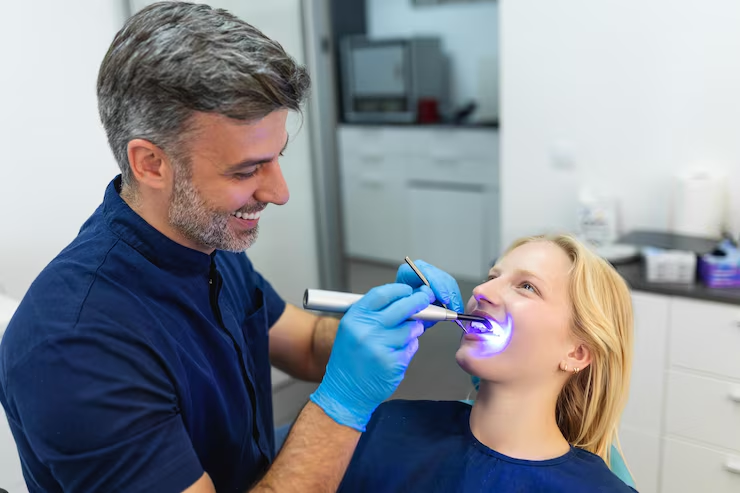
Plaque is a sticky layer of germs that forms on your teeth. If you do not clean it away, it can turn into tartar, which you cannot fully remove with a toothbrush at home. A dentist or dental hygienist uses specialized tools to remove tartar from your teeth and along your gum line.
3. Polishing the Teeth
After cleaning, polishing may be done to remove some surface stains and leave the teeth feeling smooth. Polishing is not the same as teeth whitening, and it does not change the natural colour of your teeth.
What Is Scaling and Polishing?
Scaling and polishing are common parts of a professional dental cleaning. Scaling removes plaque and hardened tartar, while polishing helps remove certain surface stains and smooth the tooth surfaces.
Some appointments may also include flossing between the teeth or other steps as needed. Cleaning may cause temporary sensitivity or mild gum bleeding, especially when the gums are inflamed. Let the dental team know if you feel discomfort so they can adjust the care when possible.
What Dental Hygiene Treatments May Be Included?
The dental hygiene treatments offered during a visit depend on your oral health and the services needed. They may include:
- Professional cleaning: Removes plaque and tartar that daily brushing cannot fully clear.
- Gum health checks: Help identify signs of gum inflammation or gum disease.
- Oral hygiene advice: Shows how to brush and clean between teeth more effectively.
- Fluoride treatment: May be recommended to help lower the risk of tooth decay.
- Personalised care guidance: Helps address concerns such as sensitivity, bleeding gums, or areas that are difficult to clean.
Not every visit includes every treatment. A dental professional can explain which steps are appropriate for your mouth.
How Long Does a Dental Hygiene Visit Take?
The hygiene visit length depends on the amount of tartar, the condition of your gums, and the type of cleaning needed. A routine appointment typically lasts 30 to 60 minutes, though some visits may be shorter or longer.
A longer appointment may be needed if there is a heavy tartar buildup or signs of gum disease. If deeper cleaning is required, it may involve more than one visit. Ask about the expected appointment time when scheduling your visit.
How Can You Care for Your Teeth Between Visits?
Daily habits help maintain the results of professional cleaning. To keep plaque under control:
- Brush twice a day with fluoride toothpaste.
- Clean between your teeth daily with dental floss or other suitable interdental cleaners.
- Limit frequent sugary snacks and drinks.
- Replace your toothbrush when the bristles become worn.
- Follow any home-care advice provided during your appointment.
If you need guidance about dental hygiene in Kitsilano, a dental professional can help you choose cleaning methods that suit your teeth and gums.
When Should You Book a Hygiene Appointment?
Do not wait for pain before seeking dental care. Bleeding gums, persistent bad breath, visible tartar, or tenderness around the gums can be reasons to arrange a visit. A dentist near you can assess these concerns and help determine whether routine cleaning or further care is needed.
If you are looking for dental hygiene treatments in Kitsilano, how often you need a cleaning depends on your dental health. Some people may need more frequent cleanings if they have gum disease or tartar builds up quickly. A dentist can help you decide how often you should visit.
Give Your Smile a Fresh Start With Personalized Dental Care!
A healthy smile is built through regular professional cleanings and simple habits that keep your teeth and gums in good condition. During your visit, you can learn which areas need extra attention, get practical tips for brushing and flossing, and understand how often your teeth may need professional cleaning. If you are considering dental hygiene treatments near you, take the opportunity to discuss your concerns and find out which services suit your oral health needs. Book your appointment with Crossbeam Dental to get personalised guidance and a clear plan to keep your smile clean, comfortable, and healthy.
FAQs
Should you brush your teeth before your appointment?
Yes, brush your teeth as usual before your visit. This helps keep your teeth clean. But brushing cannot remove tartar, so you still need a dental cleaning.
Can you eat after a dental cleaning?
You can usually eat after a routine cleaning. If fluoride or another treatment is applied, follow the instructions provided because the advice may depend on the product used.
How often should you get your teeth cleaned?
How often you need a dental cleaning depends on your gum health, how much tartar builds up on your teeth, and your risk of dental problems. Many people need a cleaning every six months, while others may need it more often.
Are professional cleanings necessary if you brush and floss daily?
Yes. Daily care removes much of the plaque, but tartar can still build up in hard-to-reach areas. Professional cleaning helps remove these deposits and allows the dental team to check your gum health.