Have you looked in the mirror and noticed your teeth look longer than before? Or maybe your gums feel sensitive when you drink something cold? These are signs of receding gums — and yes, it is a real dental problem that needs attention. The good news? A dentist can help fix this with a treatment called gum grafting in Kitsilano.
What Are Receding Gums?
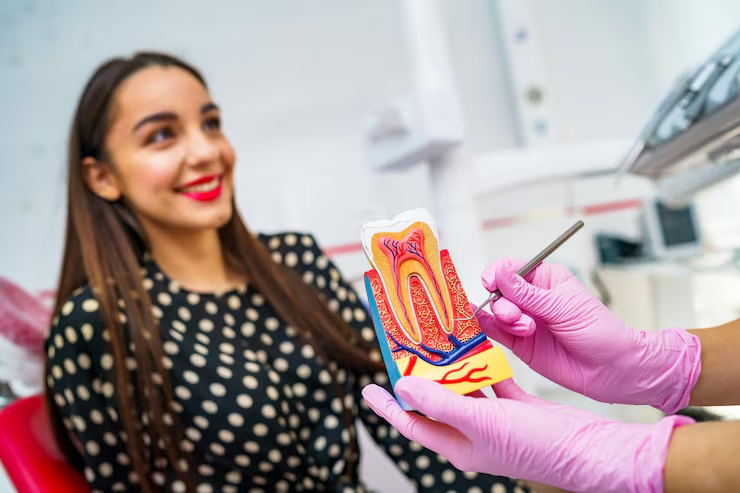
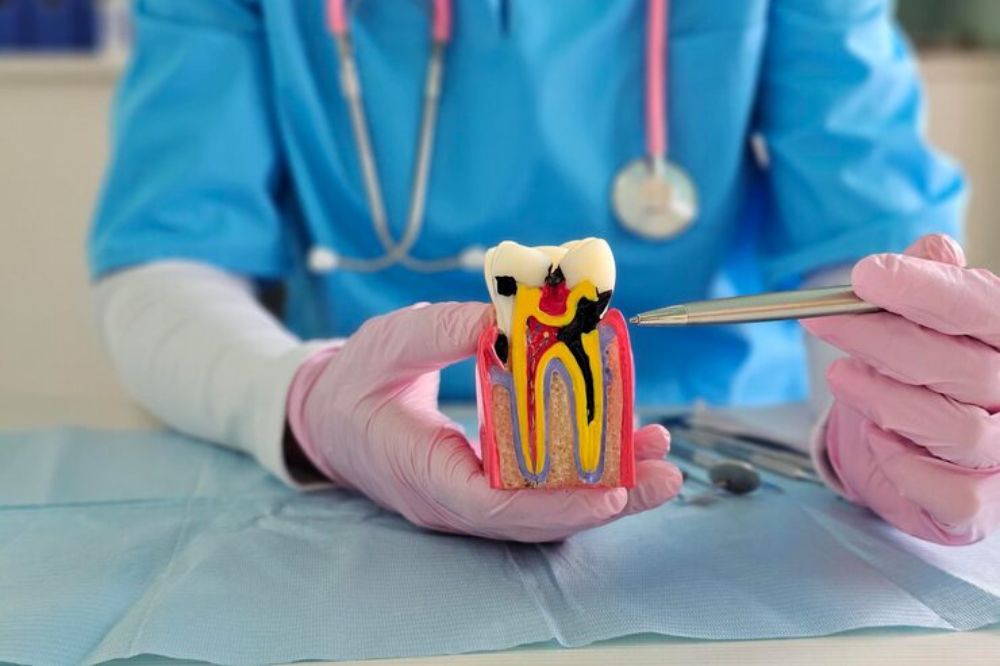
Gum recession happens when the gum tissue around your teeth starts to pull back. This exposes more of the tooth — sometimes even the root. When the root gets exposed, it has no hard enamel to protect it. That is why people with receding gums often feel pain or sensitivity.
Receding gums do not happen overnight. It is a slow process. Many people do not even notice it until a dentist in Kitsilano points it out during a checkup.
Common Causes of Gum Recession
- Brushing teeth too hard for too long
- Gum disease (also called periodontal disease)
- Genetics — some people are born with thin gum tissue
- Grinding or clenching teeth at night
- Misaligned teeth are putting pressure on the gums
- Tobacco use
If left untreated, recession can lead to tooth sensitivity, bone loss, loose teeth, and eventually tooth loss. This is why early treatment matters.
What Is Gum Grafting?
Gum grafting – also called gum graft surgery – is a dental procedure where a dentist takes a small piece of tissue and attaches it to the area where gums have receded. This new tissue covers the exposed root and helps protect the tooth.
A dentist will examine the mouth, take X-rays, and then decide which type of gum grafting procedure is right for the patient.
Types of Gum Grafts
1. Connective Tissue Graft
This is the most common type. The dentist takes tissue from under the skin on the roof of the mouth (called the palate) and stitches it to the area with recession.
2. Free Gingival Graft
Here, tissue is taken directly from the palate’s surface. This type is often used when the gums are naturally thin and need extra thickness.
3. Pedicle Graft
In this method, the dentist uses gum tissue from next to the area of recession. The tissue is not fully removed — it is just rotated or shifted to cover the exposed root. This works well when there is enough healthy gum tissue nearby.
Your dentist near you will guide you on which option suits your specific condition.
What Happens During the Gum Grafting Procedure?
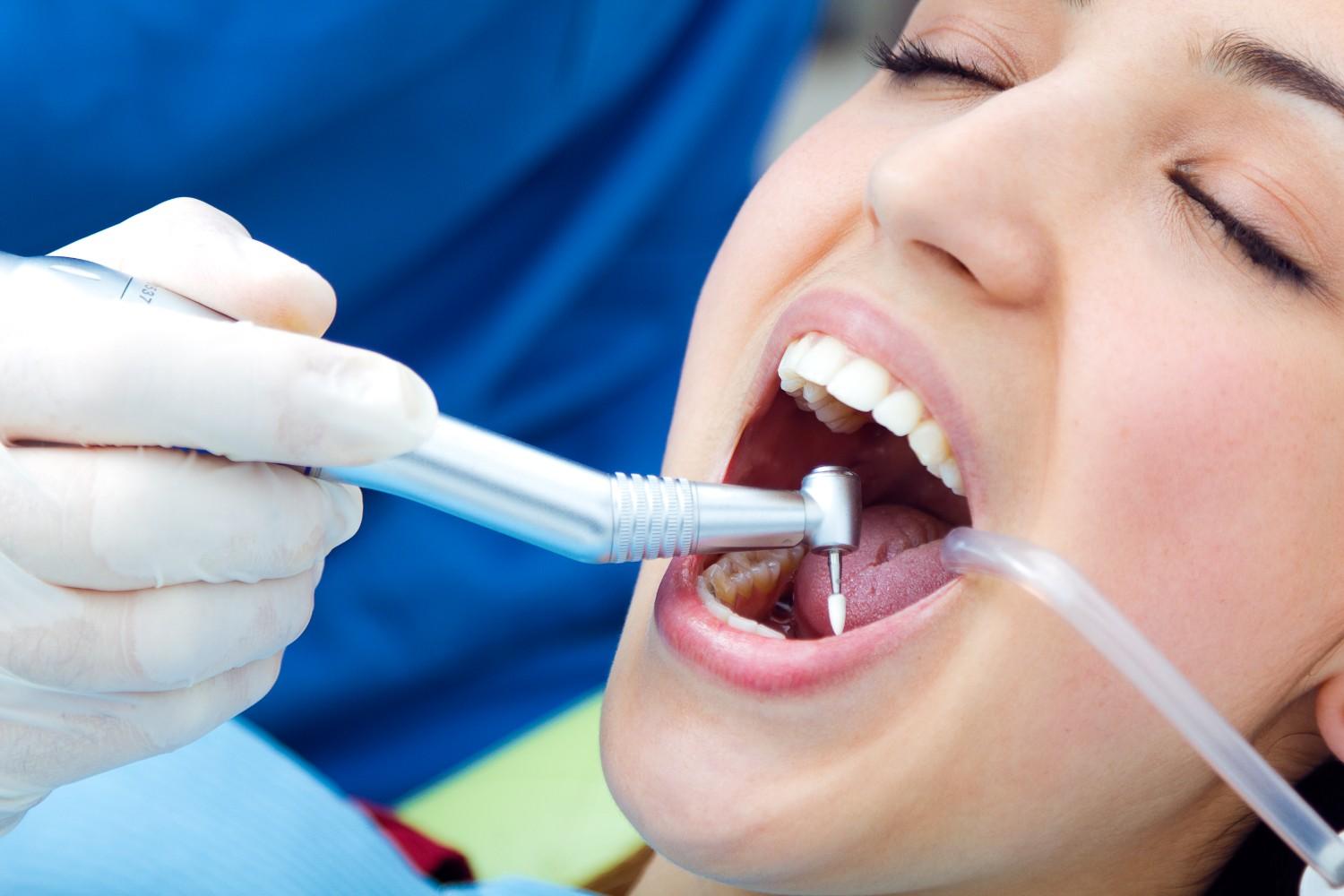
The gum grafting procedure is done in a dental clinic. Local anesthesia is used so there is no pain during the surgery. Here is a simple step-by-step of what happens:
- The mouth is numbed with local anesthesia
- The dentist prepares the area where recession has occurred
- A small piece of tissue is taken from the donor site (usually the palate)
- The tissue is sutured (stitched) carefully to the gum area
- The mouth is cleaned, and the patient gets aftercare instructions
Most procedures take about 1 to 2 hours, depending on how many teeth are involved.
Recovery After Gum Graft Surgery
Recovery is usually smooth when proper instructions are followed. Here is what to expect:
- Eat soft foods like yogurt, eggs, and mashed potatoes for one to two weeks
- Avoid hot foods and drinks as they can irritate the healing tissue
- Do not brush the treated area directly until the dentist says it is safe
- Take prescribed medications if given, including pain relievers or antibiotics
- Attend all follow-up appointments so the dentist can monitor healing
Most people return to normal activities within a week. Full tissue healing can take a few weeks to a couple of months.
Why Gum Restoration Treatment Is Worth It
Many people delay gum treatment because they feel nervous about dental procedures or surgery. This is common. But gum restoration treatmentis not only about how the smile looks. It is mainly about protecting teeth and keeping gums healthy for the long term.
Here is what gum grafting can help with:
- It reduces tooth sensitivity by covering exposed tooth roots. This helps prevent sharp pain when eating or drinking hot or cold foods.
- It helps prevent further gum recession. Once the gum tissue is restored, it becomes more stable and better supports the teeth.
- It lowers the risk of tooth loss. Healthy gums act like a strong base that holds teeth in place.
- It improves the appearance of the gum line. Teeth look more balanced when the gums are even and properly positioned.
Many patients often feel that the treatment should have been done earlier, especially after noticing how much comfort and improvement it brings in daily life.
When Should Someone See a Dentist?
Do not wait for pain to become severe. These are signs it is time to visit a dentist:
- Teeth look longer than before
- Sensitivity to cold, heat, or sweet foods
- Gums look red, swollen, or bleed easily
- Teeth feel loose
A dentist near you can check the gum line, measure the recession depth, and recommend the right gum grafting procedurebased on the specific situation.
Is Gum Grafting Near You Covered by Insurance?
In many cases, yes. Since gum graft surgery is a medically necessary procedure (not just cosmetic), dental insurance often covers a portion of the cost. It is always a good idea to call the dental clinic ahead of time and ask about coverage and payment options.
Final Thoughts
Receding gums are more than a cosmetic concern. They can lead to serious dental health problems if ignored. Gum grafting is a proven, reliable procedure dentists use to restore gum tissue, protect teeth and restore a healthier smile.
If there are any signs of recession, the smartest step is to book an appointment with a trusted dentist. The sooner it is caught, the easier and more reasonable the treatment tends to be.
Protect Your Teeth Through Gum Grafting
Gum grafting is a dental treatment that helps cover exposed tooth roots and improve gum health. It is used when the gums begin to recede due to gum disease or other oral conditions. Our team focuses on safe gum graft surgery using proper dental methods. We help to restore gum tissue and protect your smile from further damage. Visit Crossbeam Dental for gum restoration treatment.
FAQ
What is gum graft surgery used for?
Gum graft surgery is used to cover exposed tooth roots and restore gum tissue lost due to recession.
Is the gum grafting procedure painful?
Local anesthesia is used during treatment, so discomfort is usually minimal.
Who should get gum grafting?
People with gum disease, exposed roots, or sensitivity may need this treatment for better gum protection.