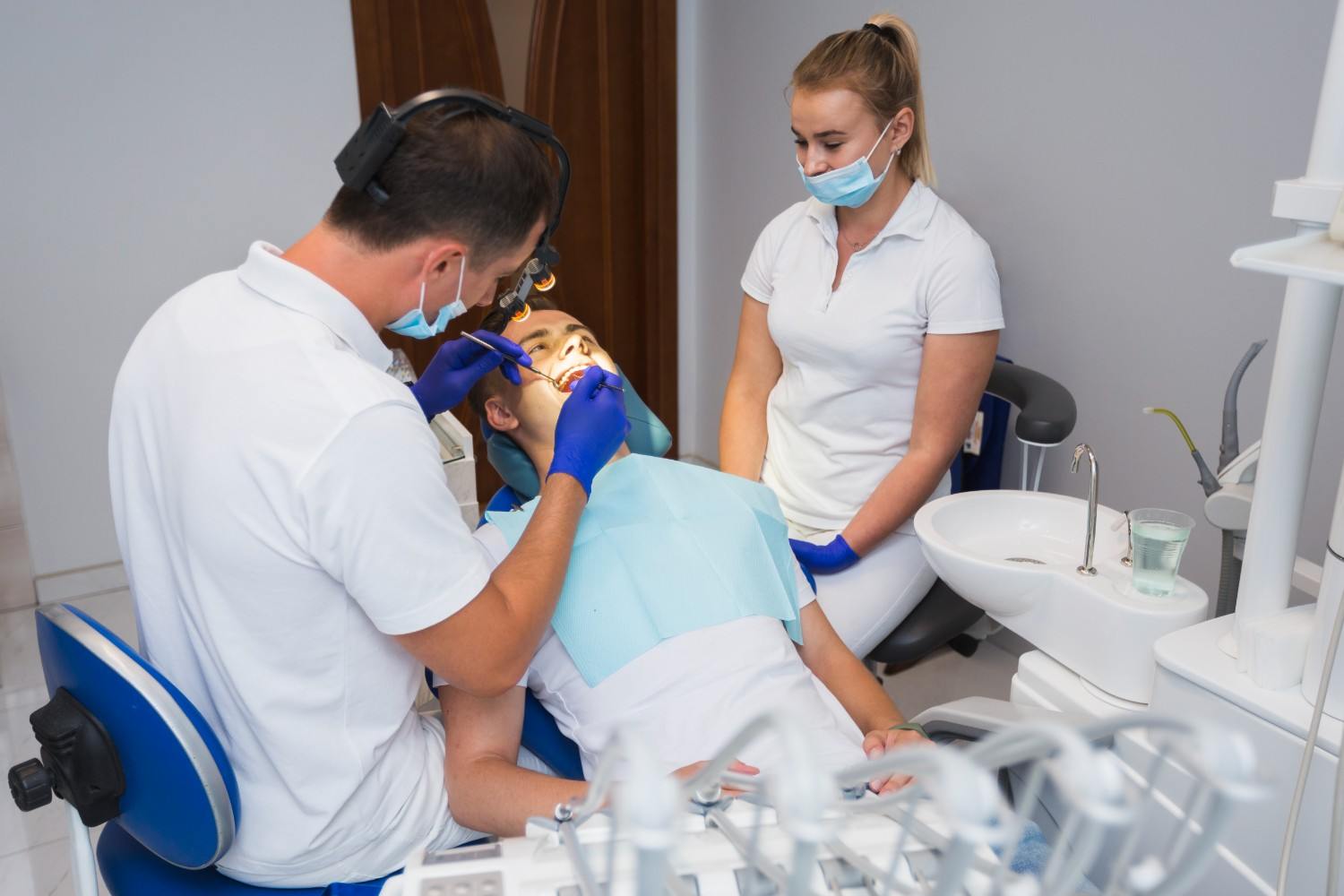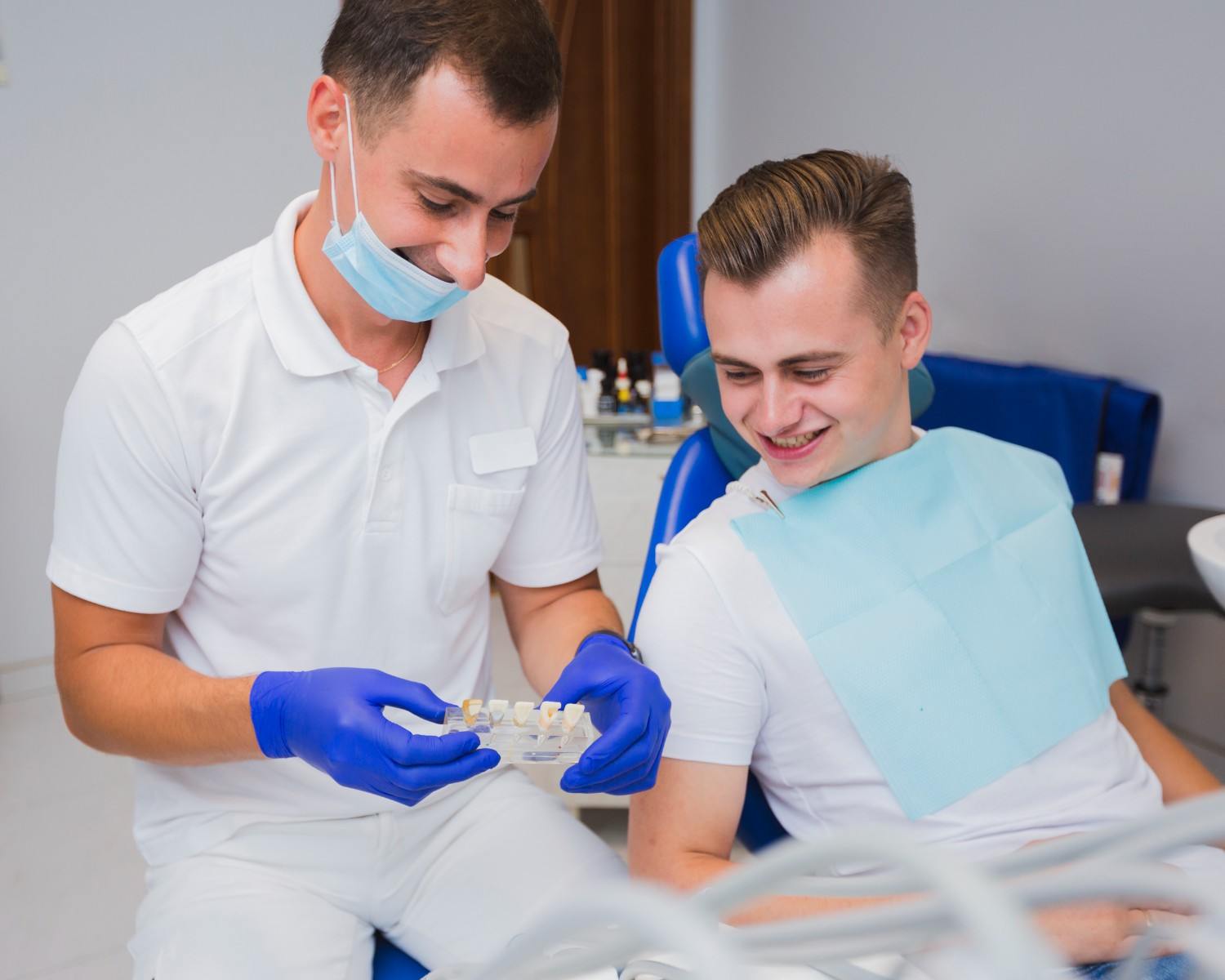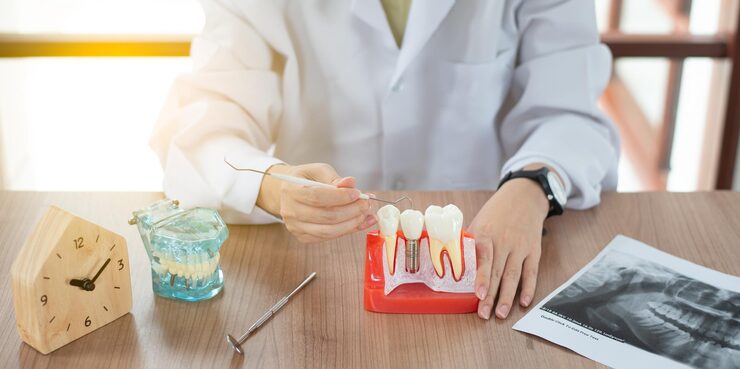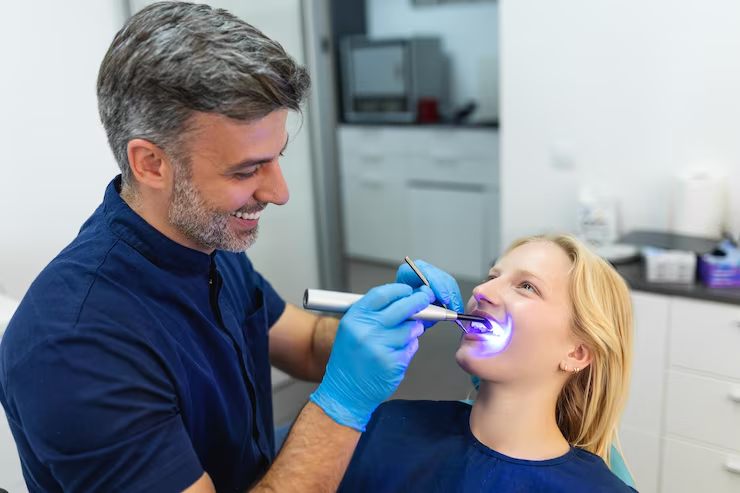
Fluoride helps protect teeth from cavities by strengthening the outer layer of the teeth, called enamel. Fluoride is often used for children, but adults can benefit from it too. Adults may need extra fluoride if they are at higher risk of cavities, have a dry mouth, have exposed tooth roots, or get cavities more often. However, not everyone needs fluoride treatment at the dentist. When considering fluoride treatments near you, the dentist will assess your teeth, daily habits, medications, and risk of cavities to determine whether you need treatment.
Understanding how fluoride works can help you decide whether extra protection may be useful. A dental checkup can help identify your risk of cavities and whether professional treatment or fluoride toothpaste is enough.
Why Might Adults Need Extra Fluoride?
Tooth enamel loses minerals when acids from plaque and sugary foods attack the teeth. Fluoride helps replace some of these minerals and makes enamel more resistant to acid. It can also help prevent early tooth decay from worsening.
An adult fluoride treatment may be worth considering when the risk of cavities is higher than usual. This does not mean every adult needs treatment at every visit. The decision should be based on an assessment of your teeth, gums, and risk of cavities.
Who Needs Fluoride Treatments?
The answer to who needs fluoride depends on individual dental health. Extra fluoride may be recommended for adults who:
- Have had several cavities in recent years.
- Have exposed tooth roots due to gum recession.
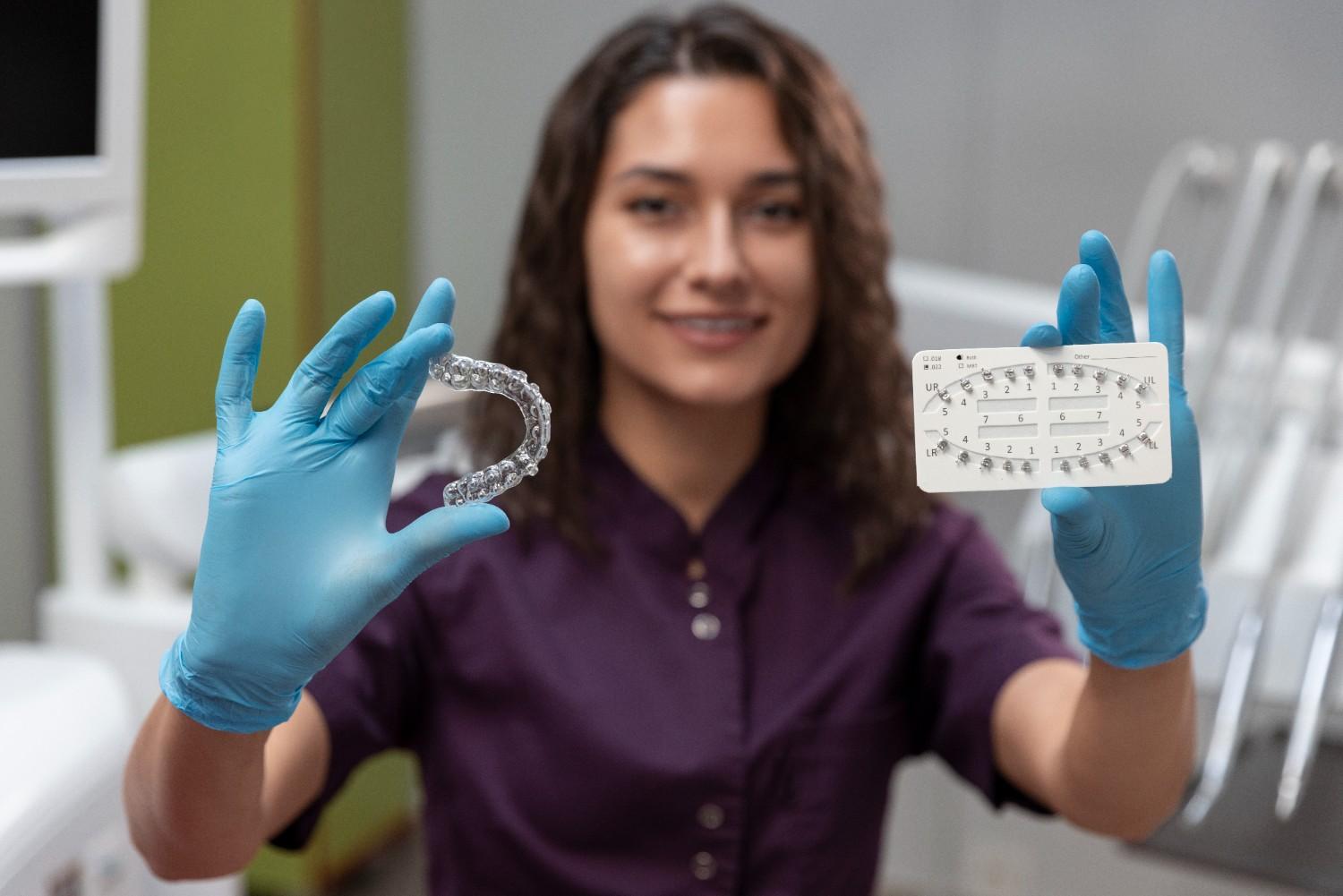
- Wear braces or have dental work that makes cleaning difficult.
- Have dry mouth caused by certain medicines or health conditions.
- Have enamel weakness or areas of early tooth decay.
- Receive frequent dental care because of a higher risk of cavities.
Adults at low risk of tooth decay may get enough fluoride from regular fluoride toothpaste and fluoridated drinking water. A dental professional can help determine whether additional protection is needed.
How Does Dry Mouth Increase the Risk of Cavities?
Saliva helps wash away food particles, reduce acids, and protect tooth enamel. When the mouth does not produce enough saliva, acids and bacteria can cause more damage to the teeth. This makes dry mouth and cavities an important concern for some adults.
Dry mouth may be linked to certain medicines, medical conditions, or treatments. Signs can include a sticky feeling in the mouth, difficulty swallowing dry food, or needing water often.
To lower the risk of cavities:
- Brush twice daily with fluoride toothpaste.
- Drink water regularly, unless a healthcare professional has advised a fluid limit.
- Limit frequent sugary snacks and drinks.
- Ask a dentist or doctor whether a medicine could be contributing to dry mouth.
- Discuss extra fluoride if cavities keep developing.
What Is Fluoride Varnish for Adults?
The fluoride varnish that adults may receive is a professional treatment applied to the teeth in a thin coating. It contains a concentrated form of fluoride and helps strengthen enamel. The dentist or dental hygienist applies it during a visit, following the product’s instructions.
Fluoride treatment is usually quick and does not require drilling or removing any part of the tooth. After the treatment, follow your dental team’s advice about when to eat, drink, brush, and floss. These instructions may change depending on the type of fluoride used.
A dentist in Kitsilano may apply fluoride as a varnish, gel, or foam, depending on your needs. Fluoride treatment adds extra protection to your teeth, but it does not replace daily brushing, flossing, or regular dental checkups.
How Can Adults Prevent Cavities Between Visits?
Daily care is still important, even if your dentist recommends fluoride treatment. To keep your teeth healthy:
- Brush your teeth twice a day with fluoride toothpaste.
- Clean between your teeth every day using dental floss or another suitable tool.
- Reduce how often you consume sugary foods and drinks.
- Attend dental checkups as recommended by your oral health needs.
- Ask about prescription-strength fluoride toothpaste if you have a high risk of cavities.
If you are looking for information on fluoride in Vancouver, ask a dental professional about local options and whether additional fluoride is suitable for your needs.
When Should You Ask About Fluoride Treatment?
Talk to a dentist near you about extra fluoride if you often get cavities, have a dry mouth, or have tooth roots that are exposed. The dentist can check your teeth and suggest what you may need. This may include fluoride treatment at the dental office, special toothpaste from a dentist, or regular fluoride toothpaste.
For those considering fluoride treatments in Kitsilano, the recommendation should depend on cavity risk, dental history, and current oral health, not age alone.
Give Your Teeth Extra Protection for the Future!
Brushing your teeth every day is important, but there are other ways to keep them strong. Knowing your risk of cavities and getting the right advice can help protect your teeth. If you are looking for fluoride treatments, a dental visit can help you determine whether you need fluoride treatment or changes to your daily dental care. Book your appointment to discuss your concerns, get advice based on your needs, and learn how to keep your teeth healthy for years to come.
FAQs
Do adults really need fluoride treatments?
Some adults may need fluoride treatment at the dentist, especially if they are at higher risk of cavities. Adults with a low risk of cavities may only need fluoride toothpaste, daily brushing and flossing, and regular dental checkups.
How often should adults get fluoride treatment?
There is no single schedule for everyone. The frequency depends on cavity risk and the type of fluoride used. Follow the schedule recommended by your dental professional.
Can fluoride fix a cavity?
Fluoride can help repair early damage to the outer layer of a tooth before a hole forms. But once a cavity creates a hole, fluoride cannot fix it. A dentist can examine your teeth and recommend the appropriate treatment.
Is fluoride treatment safe for adults?
Yes, fluoride treatment is generally safe when used properly. Your dental team will choose the right type and amount for your needs and explain what to do after treatment.