A filling may be enough when a tooth has a small or moderate amount of decay or damage and enough healthy tooth structure remains. Dental crowns in Kitsilano may be recommended when a tooth is too weak or damaged for a filling to protect it properly. The choice depends on how much damage there is, where the damage is, how much healthy tooth is left, and whether the tooth has been weakened by a crack, a large filling, or another problem. A dentist can check your tooth and see how much healthy tooth remains. They may also check your symptoms, the condition of the tooth, and how well it can handle normal chewing.
In some cases, a filling can save more of your natural tooth. In other cases, a crown may give a weak tooth more protection. Knowing the difference can help you understand why your dentist in Kitsilano may suggest one treatment over the other.
When Can a Filling Fix a Tooth?
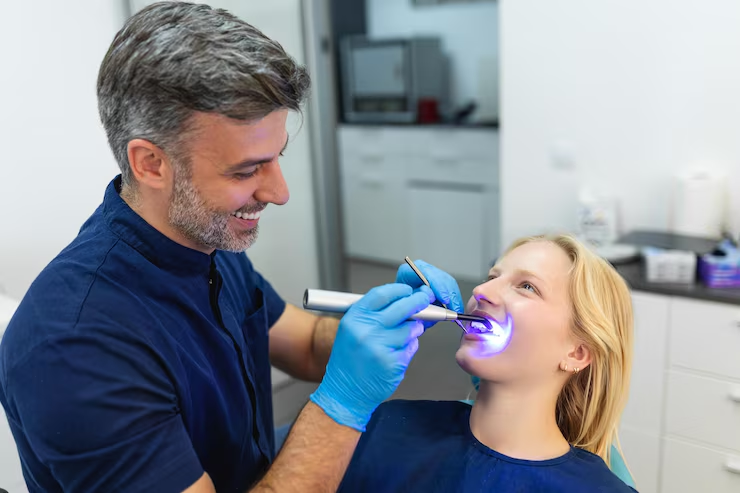
A filling fixes the damaged part of a tooth and helps restore its normal shape and function. It may be a good choice when the damage is small and enough healthy tooth is left to support the filling.
A filling may be considered for:
- Small to moderate cavities
- Minor chips or areas of damage
- Decay that has not weakened most of the tooth
- Replacing an older filling when enough tooth structure remains
The amount of damage matters more than simply having a cavity. A larger area of decay may require a different type of restoration.
When Is a Crown Usually Needed?
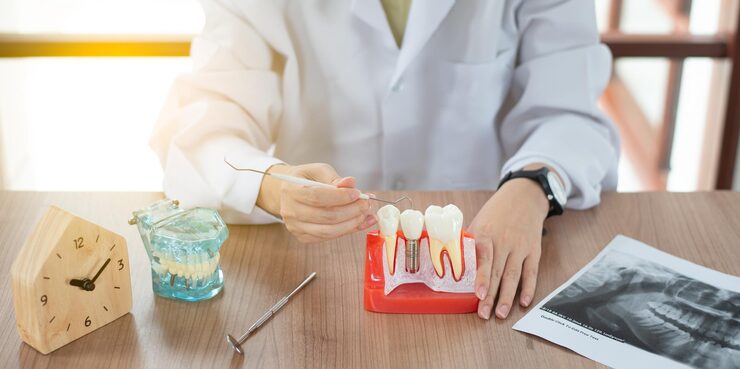
A crown covers most of the visible part of a tooth. It may be recommended when a tooth needs more protection than a filling can provide.
A crown may be considered when:
- A large portion of the tooth is missing.
- The tooth has a significant crack.
- A large filling has weakened the remaining tooth.
- The tooth has had root canal treatment.
- The tooth needs additional support to reduce the risk of further damage.
Dental crowns near you may help protect a weakened tooth, but the decision should be based on an examination rather than the size of a cavity alone.
What Causes a Tooth to Need a Crown?
Several problems can weaken a tooth to the point that it requires full coverage. Extensive decay can remove a large amount of tooth structure. Repeated fillings may also leave less natural tooth available to support another filling.
Other possible causes include:
- A large crack or fracture
- A tooth weakened after root canal treatment.
- Severe wear
- Extensive damage from an injury
- A large restoration that no longer provides enough support
A dentist near you can check the tooth and determine how much healthy structure remains.
How Can Tooth Damage Be Reduced?
You cannot prevent every dental crown, but good daily care can help keep your teeth healthy and protect them from decay and damage.
Helpful habits include:
- Brush your teeth twice a day with fluoride toothpaste.
- Clean between your teeth every day.
- Limit sugary foods and drinks.
- Avoid chewing hard objects.
- Visit a dentist near you for regular checkups.
- Treat cavities early before they get worse.
Early treatment may help prevent the need for more extensive dental work.
Filling vs Crown: Which Is Better?
Neither option is better for every tooth. A filling preserves more natural tooth structure when enough healthy structure remains. A crown provides more coverage when a tooth needs additional support.
The decision may depend on:
| Factor | Filling | Crown |
| Small cavity | Often suitable | Usually unnecessary |
| Moderate damage | May be suitable | May be considered |
| Large amount of missing tooth structure | May not provide enough support | Often considered |
| Significant crack | Usually not enough for major damage | May provide needed coverage |
| Amount of tooth covered | Part of the tooth | Most of the visible tooth |
Dental crowns in Kitsilano may be recommended when protecting the remaining tooth is a greater concern than simply filling the damaged area.
What Happens During an Evaluation?
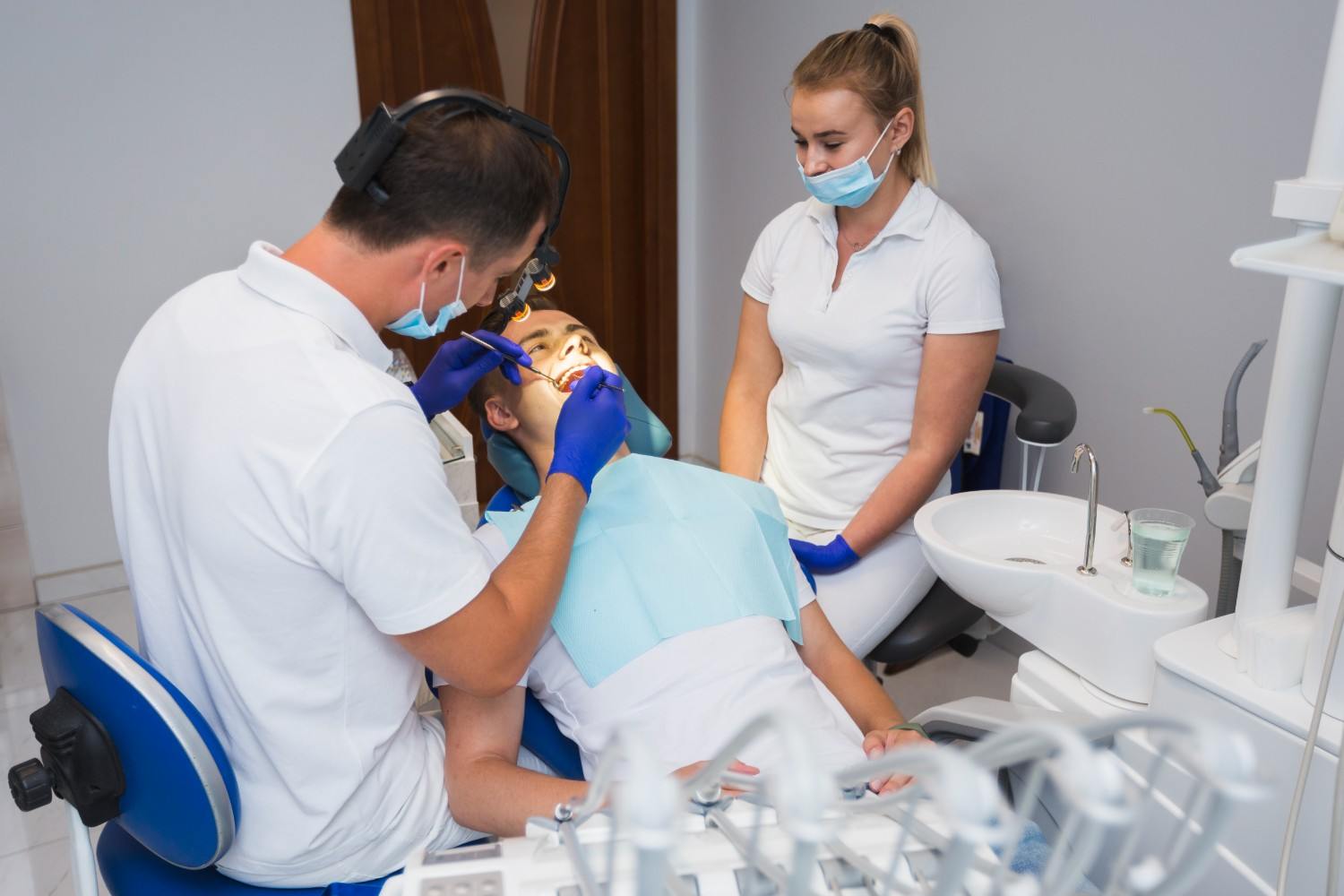
An examination helps determine how much of the tooth is affected. The dental professional may check the tooth, surrounding tissues, bite, and symptoms. Dental X-rays may also be recommended when more information is needed.
A dentist near you can then explain whether a filling, crown, or another treatment may be appropriate. Treatment should be based on the condition of the individual tooth rather than a one-size-fits-all approach.
Protect a Tooth Before Damage Gets Worse!
The choice between a filling and a crown depends on how much healthy tooth structure remains and how much protection the tooth needs. An evaluation can help identify the most suitable way to restore the tooth while preserving as much healthy structure as possible.
Schedule an appointment with Crossbeam Dental to have the damaged tooth examined and to discuss available restoration options.
FAQs
Can a large cavity be filled?
Sometimes, but not always. If enough healthy tooth structure remains, a filling may work. When decay has weakened or removed too much of the tooth, a crown may provide better support.
Is a crown always needed after a root canal?
No. A crown is not always needed after a root canal. It depends on the tooth, how much healthy tooth is left, and how much protection the tooth needs. A dentist can examine the tooth and recommend the appropriate option.
Is getting a crown more involved than getting a filling?
Yes. A crown covers more of the tooth and usually needs more tooth preparation than a filling. The steps can vary depending on the tooth and the type of crown used.
Can a cracked tooth be repaired with a filling?
A small area of damage may sometimes be restored with a filling, but a significant crack may require more protection. The location and depth of the crack help determine the appropriate treatment.