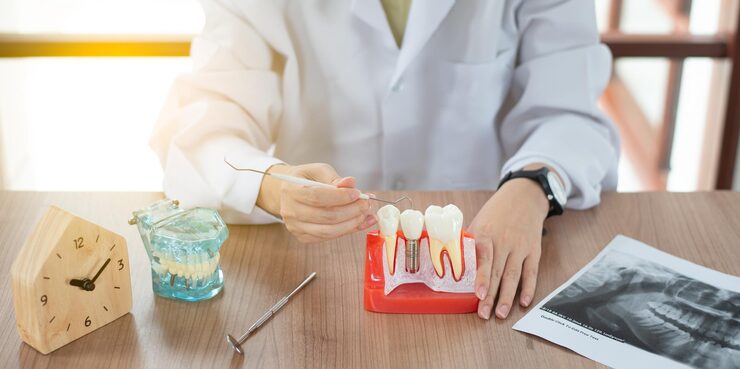
Replacing a missing tooth is more than just putting a new tooth in its place. Dental implants in Kitsilano follow a step-by-step process that starts with a dental check-up and ends with a custom-made replacement tooth. Each step is important, including checking your oral health and giving the implant time to heal before the final tooth is placed. The total treatment time can be different for each person depending on how many teeth need to be replaced, the condition of your jawbone, and the type of replacement tooth needed.
Understanding each step can make the treatment easier to follow and help you know what to expect before, during, and after implant placement.
What Happens Before Dental Implant Treatment?
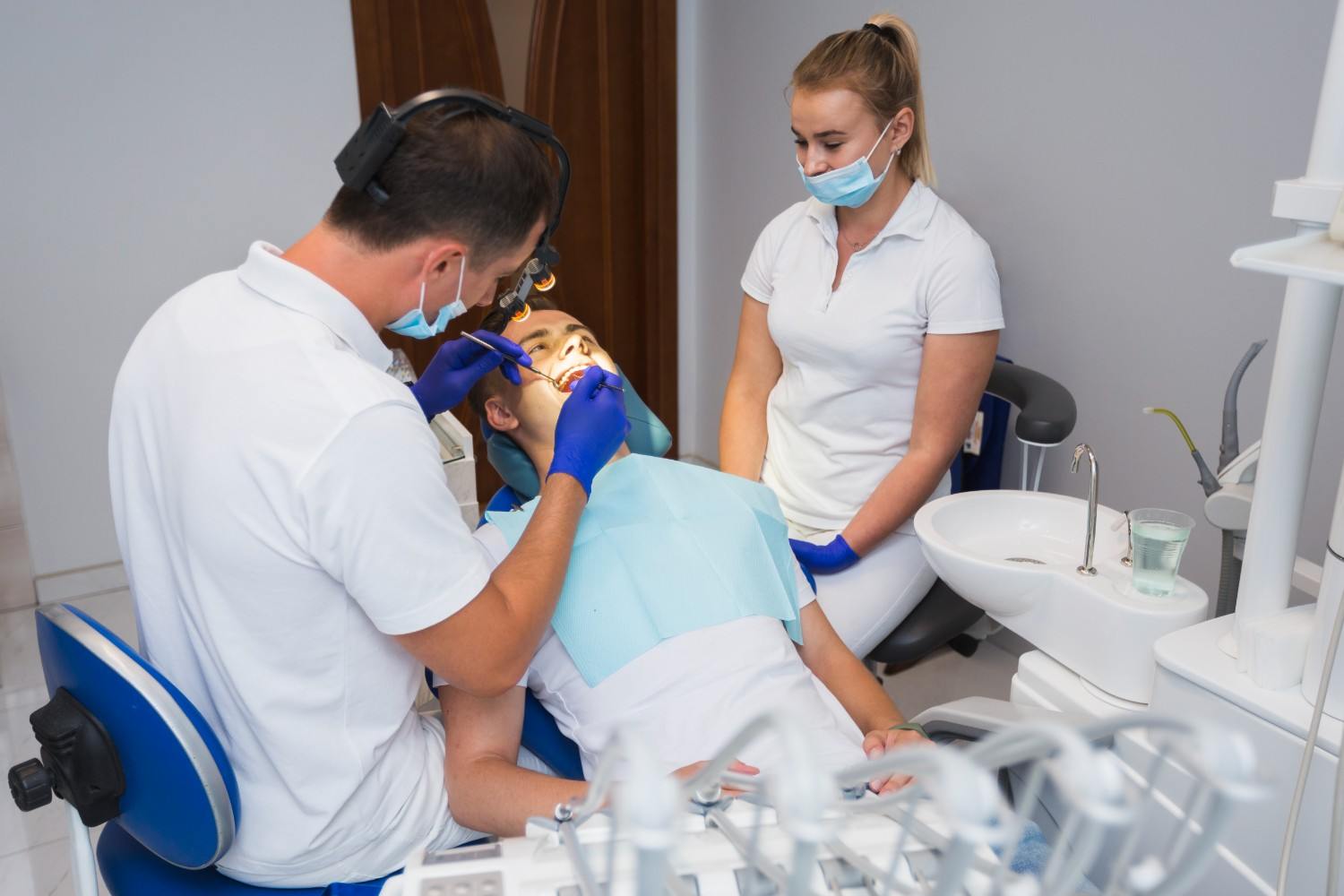
The process begins with a detailed dental assessment. Your teeth, gums, jawbone, and overall oral health are checked to determine whether an implant is suitable for you.
Your treatment plan may include:
- A dental examination
- Dental X-rays or other scans
- A review of your medical and dental history
- An assessment of the jawbone
- Planning for the replacement tooth
If gum disease, tooth decay, or another dental problem is present, it may need to be addressed before implant treatment begins.
What Happens During Dental Implant Placement?
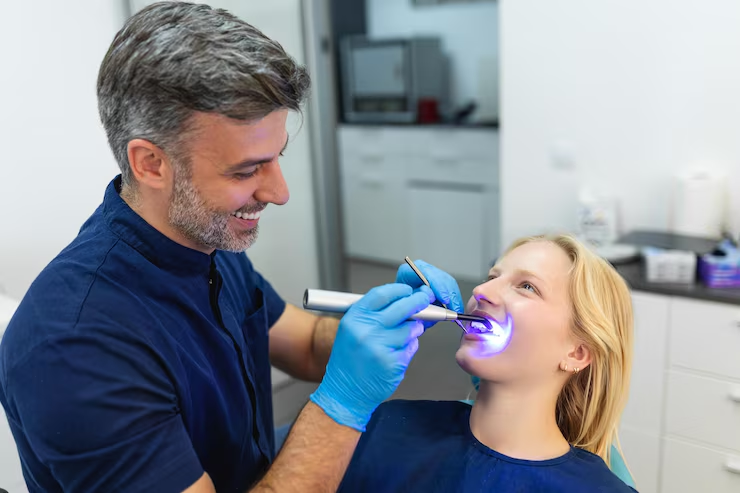
The next stage involves placing the implant into the jawbone. The implant acts as a stable base for the replacement tooth.
The area is carefully prepared, and the implant is placed into the planned position. Once treatment is complete, the gum is allowed to heal around the implant.
You may have some swelling or tenderness after the procedure. Following the care instructions provided after treatment can help support healing.
How Long Does an Implant Take to Heal?
Healing is an important part of the dental implant process. During this stage, the implant gradually becomes stable within the jawbone.
The healing period is different for each person. Factors such as bone quality, the location of the implant, the number of implants, and your general oral health can affect the timeline.
Regular follow-up appointments allow your dental team to check the healing progress before moving to the next stage.
Is Bone Grafting Ever Needed?
A strong jawbone is needed to support a dental implant. If there is not enough bone in the planned treatment area, additional treatment may be recommended before or along with implant placement.
Bone grafting may help rebuild the area so it can better support an implant. Whether this step is needed depends on your bone level and the planned location of the implant.
A careful assessment can show whether additional treatment is necessary.
How Is the Final Replacement Tooth Added?
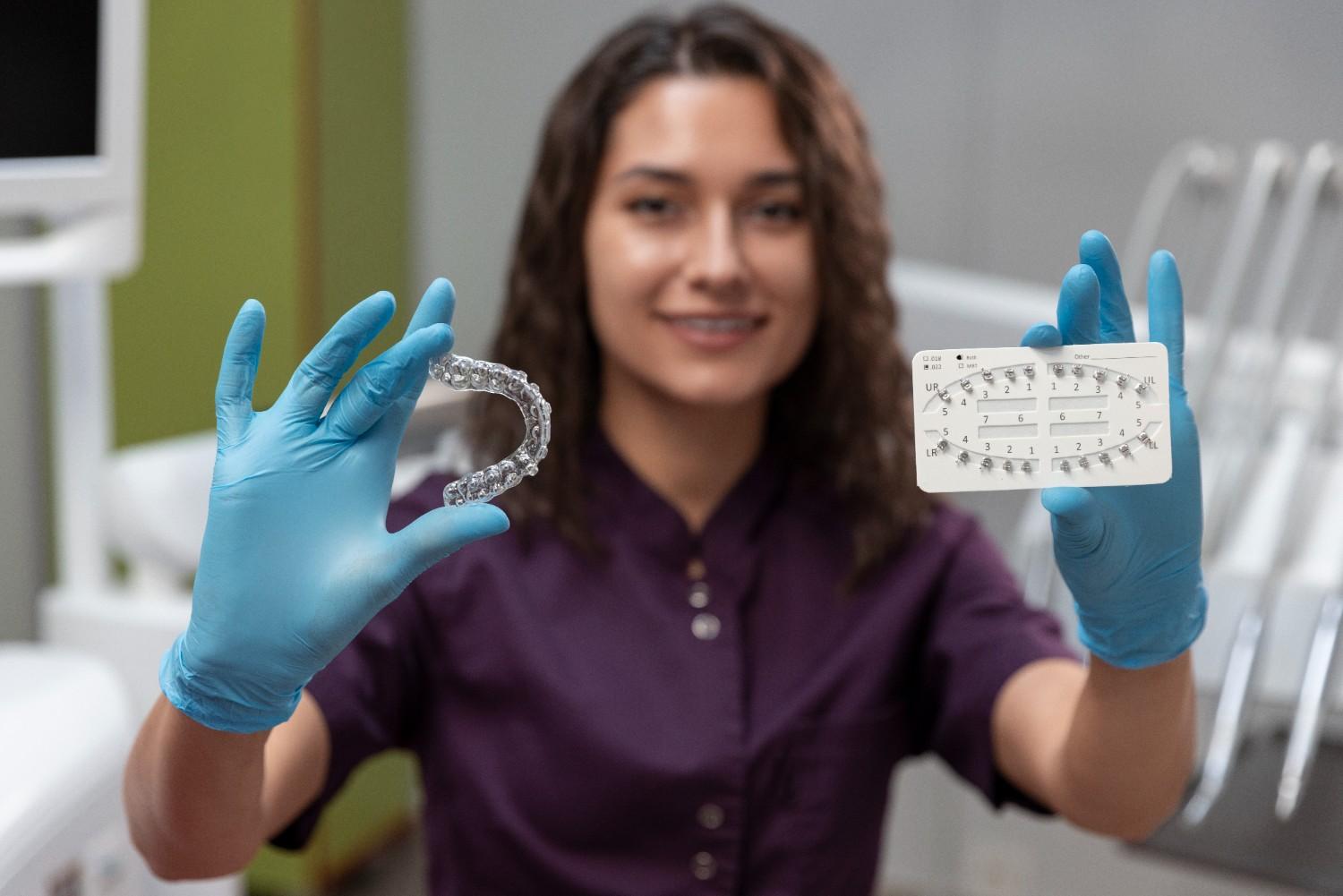
Once the implant has healed sufficiently, the final replacement tooth can be planned. A digital scan or dental impression may be used to create a restoration that fits the implant and works with your bite.
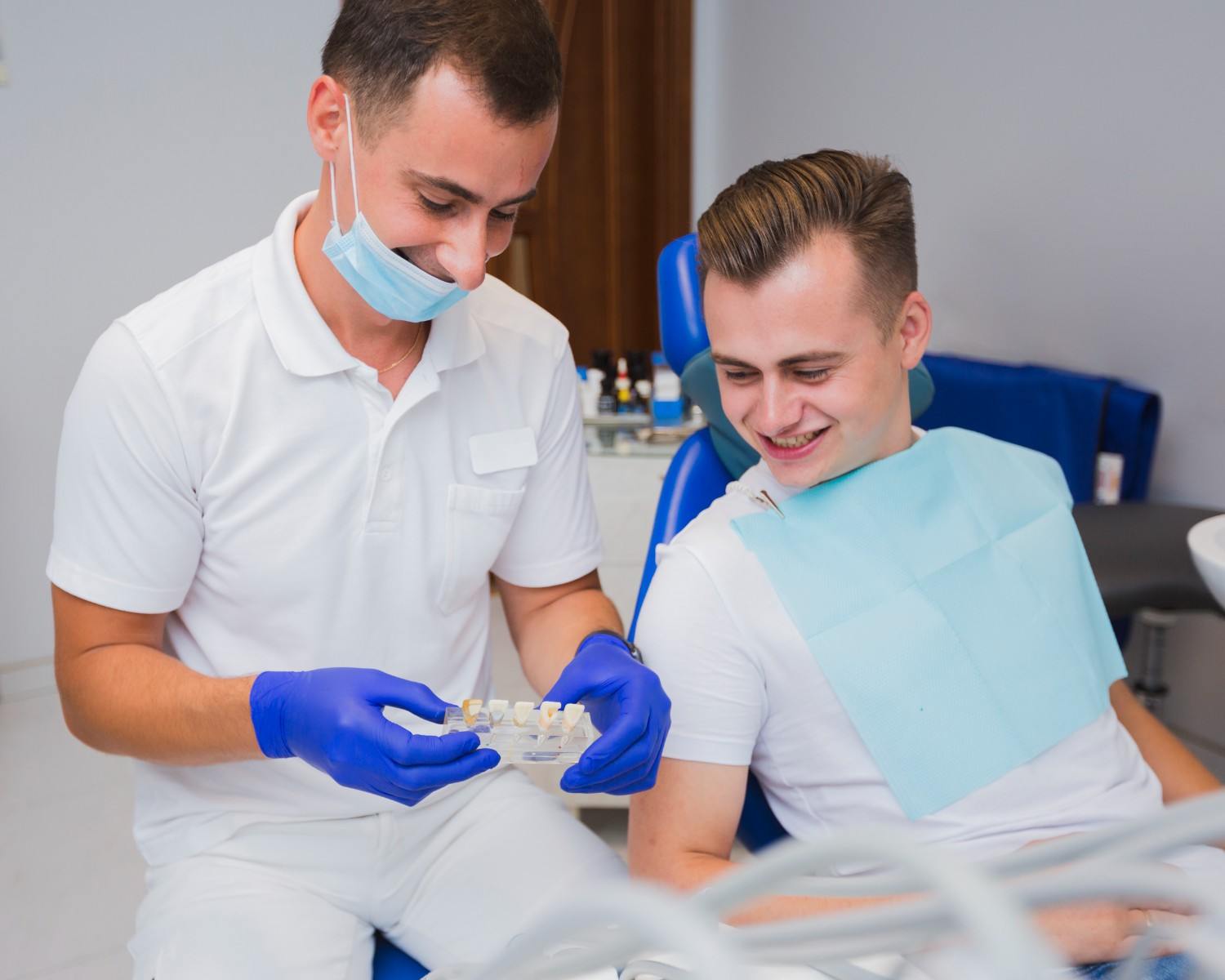
The final tooth is designed to match the surrounding teeth in size, shape, and appearance. Depending on your treatment, an implant crown, bridge, or denture may be used.
A dentist in Kitsilano can assess the completed restoration to make sure it fits comfortably and functions properly.
What Should You Do After Getting Dental Implants?
Good care is important after your final replacement tooth is placed. The replacement tooth cannot get cavities, but your gums and the area around the implant still need daily care.
To keep your implant healthy:
- Brush your teeth twice a day.
- Clean between your teeth as your dentist tells you.
- Visit a dentist near you for regular check-ups.
- Follow the cleaning steps your dentist recommends.
- Tell your dentist if you have pain, swelling, or any changes around the implant.
When looking for dental implants near you, do not choose based only on location. A proper dental exam and a clear treatment plan are also important for good implant care.
How Can You Prepare for the Implant Process?
Knowing what happens at each step can help you feel prepared for your treatment. Before you begin, ask how long the treatment may take, how many visits you may need, how long healing may take, and what type of final tooth you will get.
A dental implant usually takes more than one visit at a dental clinic in Kitsilano. The process may include planning, placing the implant, waiting for it to heal, and placing the final tooth. The exact treatment time depends on your dental needs.
Plan Your Next Step With Confidence!
Understanding the dental implant process can help you know what to expect at every stage, from the first assessment to the final replacement tooth. If you are considering treatment, a thorough examination can help determine whether implants are suitable for your needs.
Book an appointment with Crossbeam Dental to discuss your tooth replacement options and take the next step toward restoring your smile.
FAQs
How long does the dental implant process take?
The time can be different for each person. It may take a few months because the implant needs time to heal before the new tooth is placed.
Is getting a dental implant painful?
Your mouth is numbed during the procedure to help keep you comfortable. Some swelling, soreness, or tenderness may happen afterward and usually gets better as you heal.
Can an implant be placed right after a tooth is removed?
Sometimes, an implant can be placed on the same day as the tooth removal. This depends on your bone, gums, the tooth area, and your treatment plan.
How do you care for a dental implant?
Brush your teeth regularly, clean between your teeth, and visit your dentist for check-ups. Follow your dentist’s cleaning instructions to help keep the implant and gums healthy.