When a tooth gets a deep infection, the pain can be so bad that it’s hard to eat or sleep. Many people feel nervous when they hear about this problem, but getting root canal treatment near you is the most effective way to stop the pain and save your real tooth. Instead of pulling the tooth out, this fix focuses on cleaning out the damage inside and sealing it up so it stays healthy in the future.
Modern dental methods have turned this into a regular visit that feels a lot like getting a normal filling. By focusing on the “pulp,” which is the soft part inside your tooth with the nerves and blood vessels, dentists can stop an infection quickly before it reaches the bone around your tooth.
When Should You See a Dentist for Tooth Pain?
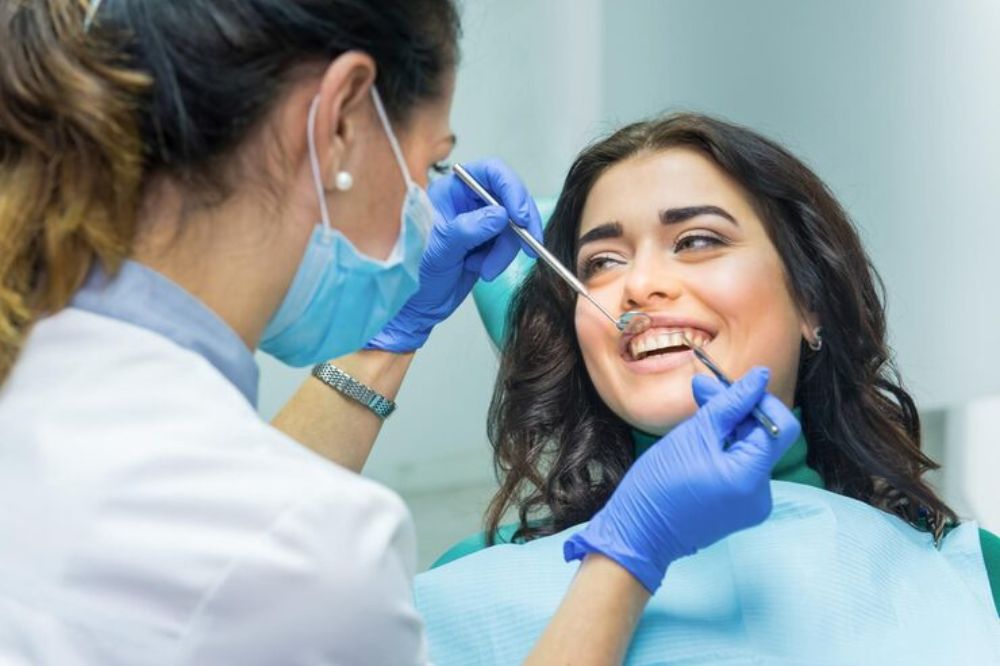
If you are experiencing a persistent ache or extreme sensitivity to heat, it is vital to consult a dentist near you as soon as possible. Waiting too long can allow the bacteria to travel deeper, potentially leading to an abscess or tooth loss. A local professional will use high-resolution imaging to determine if the internal tissue is inflamed and if a restorative intervention is the most reliable path forward for your long-term health.
The Anatomy Of An Infected Tooth
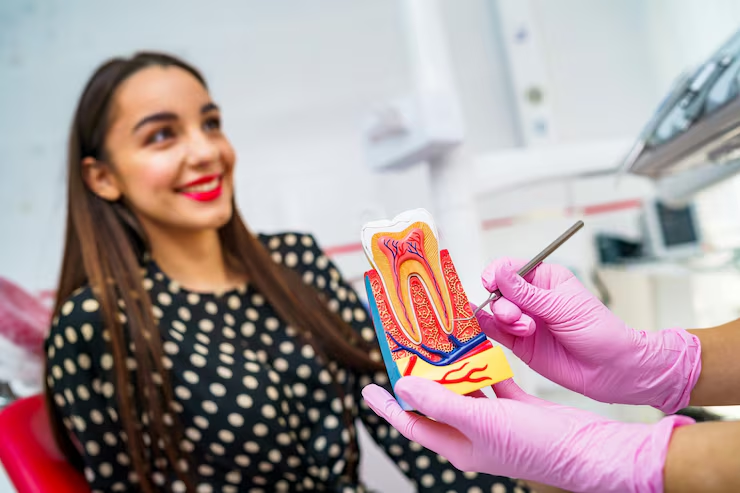
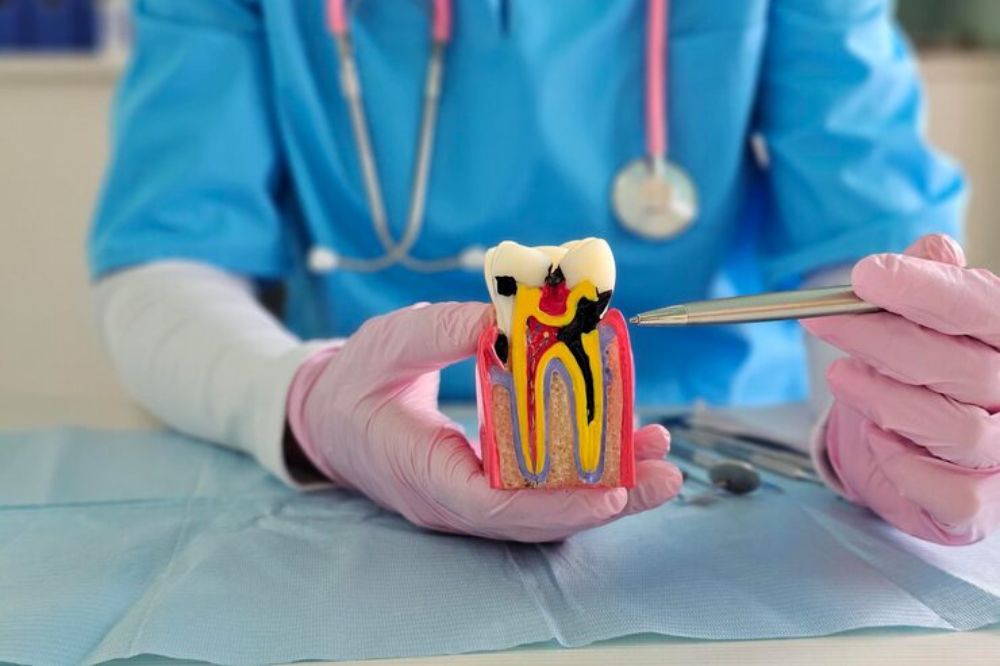
To understand why this procedure is necessary, it helps to look at what is happening beneath the enamel. A tooth is not a solid block; it has a hollow center called the pulp chamber. This area is vital during a tooth’s growth, but once a tooth is fully mature, the pulp is no longer strictly necessary for the tooth to function.
When a deep cavity, a crack, or a physical injury allows bacteria to enter this chamber, the tissue becomes infected. Because the pulp is trapped inside the hard walls of the tooth, the swelling has nowhere to go, which creates the intense pressure and throbbing sensation many patients feel.
How Does a Dentist Save Your Tooth?
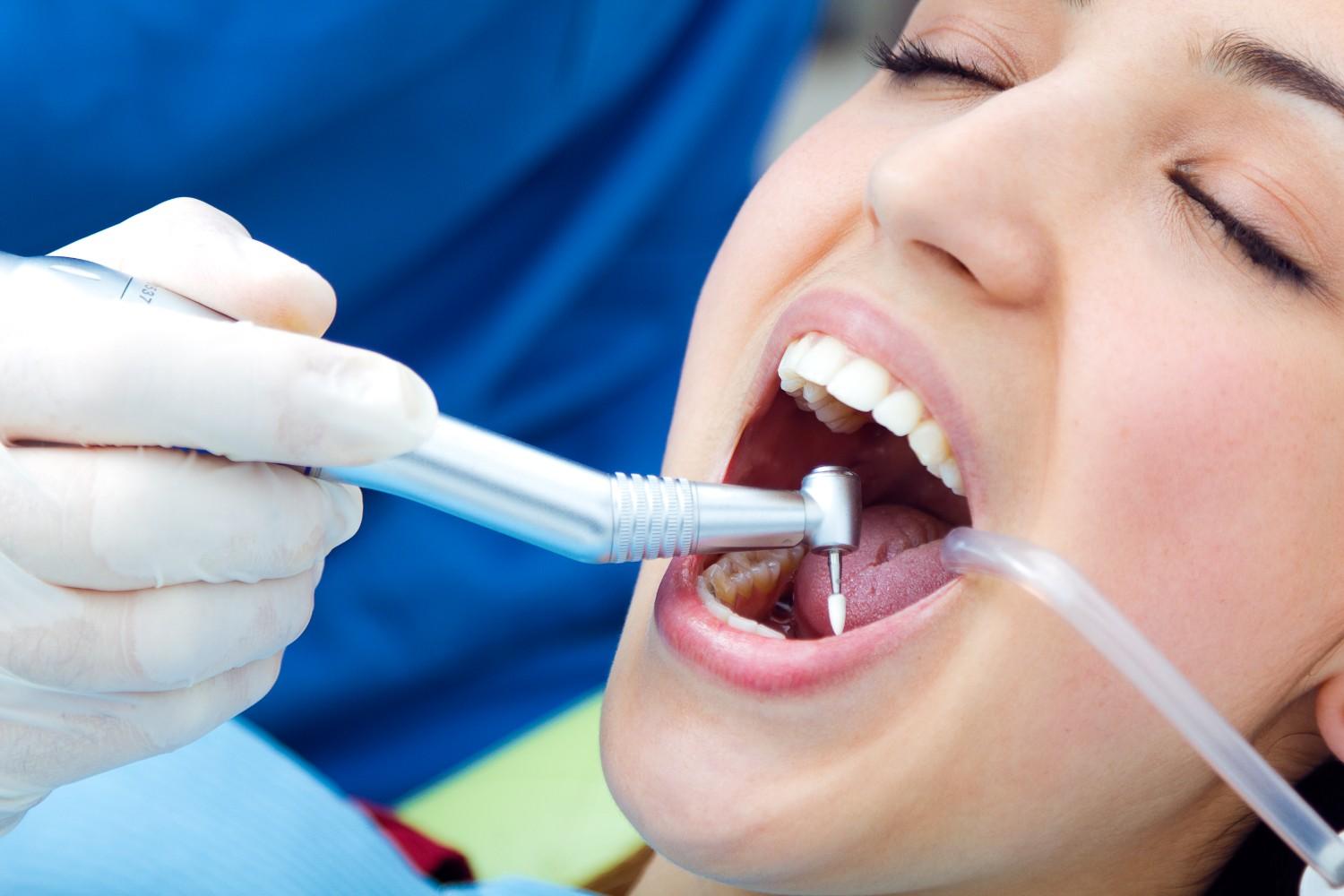
When you undergo root canal treatment, the process is handled with precision and care. The journey typically involves several key stages:
- Initial Comfort: The area is thoroughly numbed so that you feel relaxed throughout the visit.
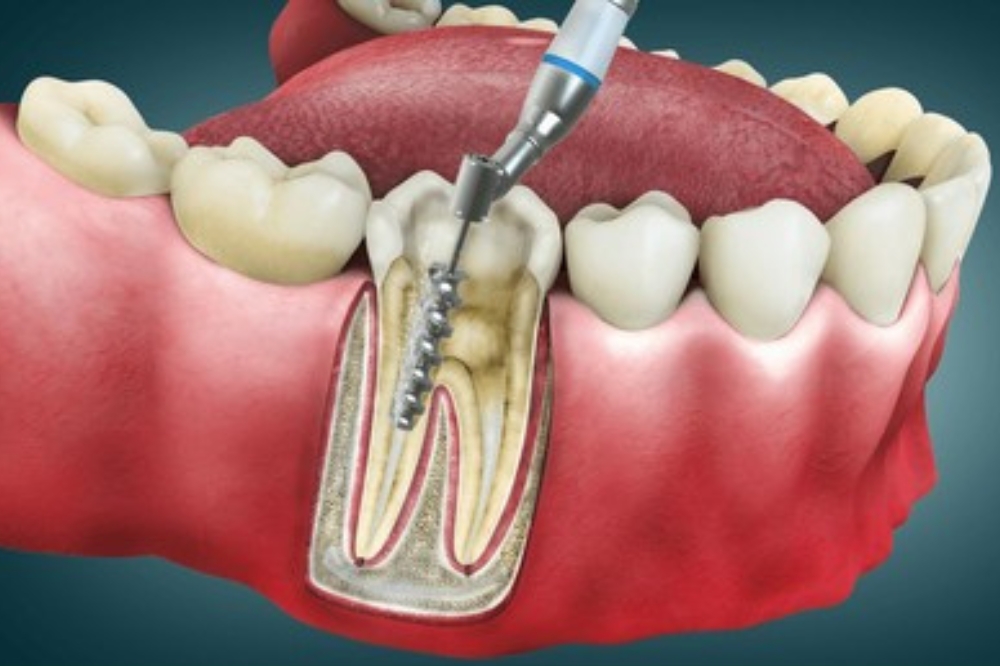
- Accessing the Pulp: A tiny opening is made in the crown of the tooth to reach the damaged internal chamber.
- Cleaning and Shaping: Using micro-tools, the dentist in Kitsilano removes the infected pulp and cleans the canals to ensure no bacteria remain.
- Sealing the Canals:The space is filled with a biocompatible material called gutta-percha, which keeps the area sterile.
- Final Restoration: Usually, a temporary filling is placed first, followed by a permanent crown in a later visit to protect the weakened tooth from fracturing.
Why Saving the Natural Tooth is Better than Extraction
It might seem easier to pull a painful tooth, but keeping your original anatomy is almost always the superior choice. A natural tooth helps maintain the alignment of its neighbours and keeps the jawbone active and strong.
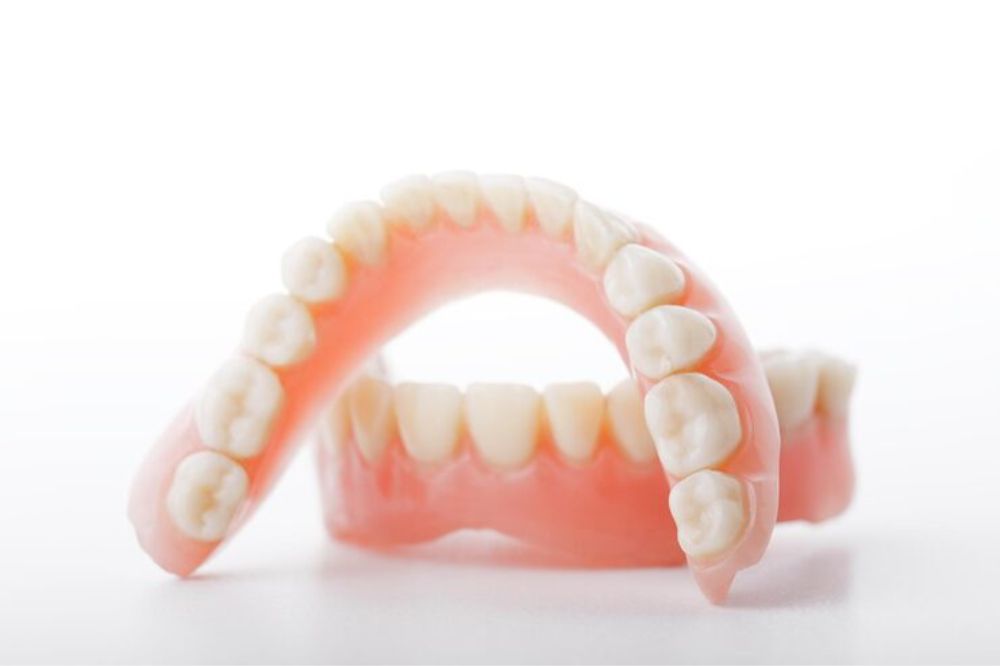
When a tooth is removed and not replaced, the surrounding teeth can begin to tilt and shift, leading to bite problems and jaw pain down the road. By choosing a root canal treatment in Kitsilano, you avoid the need for more complex replacements like bridges or implants, saving both time and money in your future dental budget.
Recovery and Aftercare Expectations
One of the biggest myths is that the procedure itself is painful, but the reality is that the treatment is what stops the pain. Afterward, the tooth may feel a bit tender for a few days as the surrounding ligaments heal.
Over-the-counter relievers are usually more than enough to manage this minor transition. You should avoid biting down on hard foods with that specific tooth until the final crown is placed. Once the permanent restoration is in, you can treat the tooth just like any other, with regular brushing and flossing.
Why Is Early Detection Key to Saving Teeth?
Because infections can sometimes be “silent” in the beginning, it is important to watch for subtle changes in your mouth. If you notice a small bump on the gums that looks like a pimple, or if a single tooth begins to darken in colour, these are major indicators that the internal nerve may be dying.
Searching for a dentist at the first sign of trouble allows for a much more conservative treatment. Early intervention often means the procedure is faster and the success rate is even higher. Protecting your oral health is about listening to these small signals before they turn into emergencies.
Regain Your Comfort and Confidence
Your oral health is our absolute priority, and we believe that every patient deserves a pain-free, healthy smile. We combine gentle techniques with advanced technology to ensure your restorative experience is as comfortable as possible. We are here to guide you through every step of your care and help you maintain your natural teeth for a lifetime.
Schedule your visit today at Crossbeam Dental to restore your smile.
Frequently Asked Questions
Is a root canal better than getting a dental implant?
Whenever possible, keeping your natural tooth is preferred. While implants are excellent replacements, your original tooth root provides the ideal sensory feedback and maintains your bone structure naturally. A successful restoration can last for decades with basic hygiene.
How long does the procedure take?
Depending on the complexity of the tooth (some teeth have more canals than others), a session usually lasts between 60 and 90 minutes. In some cases, a second visit may be scheduled to ensure the infection is completely gone before the final seal is placed.
Will I be able to drive home after the visit?
Since the procedure is typically performed under local anesthesia, you will be fully alert and safe to drive yourself home. If you choose to use an oral sedative for extra relaxation, you will need to arrange for a friend or family member to provide a ride.
Can a tooth that has had a root canal get a cavity?
Yes, the outer shell of the tooth can still develop decay if not cleaned properly. While the tooth can no longer feel “pain” from a cavity because the nerve is gone, you must still brush and floss to protect the supporting gums and the structure under the crown.